Enhancing Language Mastery Through Immersive Programs
- Alice Ding

- Feb 18
- 4 min read
Language mastery is a goal for many, whether for personal growth, professional advancement, or cultural appreciation. Traditional methods of learning a new language often fall short, leaving learners frustrated and disengaged. However, immersive programs have emerged as a powerful solution, offering a dynamic and engaging way to achieve fluency. This blog post explores how immersive programs can enhance language mastery, providing practical insights and examples to help you make the most of your language learning journey.

Understanding Immersive Language Learning
Immersive language learning involves surrounding oneself with the target language in a way that mimics natural acquisition. This method contrasts sharply with traditional classroom settings, where learners often rely on textbooks and rote memorization. Immersive programs can take various forms, including:
Language immersion schools: These institutions teach subjects in the target language, allowing students to learn both the language and content simultaneously.
Study abroad programs: Participants live in a country where the language is spoken, engaging with locals and experiencing the culture firsthand.
Language exchange programs: These initiatives pair learners with native speakers, fostering real-life conversations and cultural exchange.
The Benefits of Immersive Programs
Immersive programs offer several advantages that can significantly enhance language mastery:
Real-world application: Learners practice the language in authentic contexts, making it easier to remember vocabulary and grammar.
Cultural exposure: Immersion provides insights into the culture associated with the language, enriching the learning experience.
Increased motivation: Engaging with the language in real-life situations can boost enthusiasm and commitment to learning.
Improved listening and speaking skills: Constant exposure to native speakers helps learners develop better pronunciation and comprehension.
Choosing the Right Immersive Program
Selecting the right immersive program is crucial for maximizing your language learning experience. Here are some factors to consider:
Program Type
Different programs cater to various learning styles and goals. For instance, if you prefer structured learning, a language immersion school might be ideal. On the other hand, if you seek flexibility, a language exchange program could be more suitable.
Duration
Consider how much time you can commit to the program. Short-term programs may provide a quick boost in language skills, while long-term immersion can lead to deeper mastery.
Location
The location of the program can significantly impact your experience. Immersing yourself in a country where the language is spoken allows for daily practice and cultural engagement.
Support Services
Look for programs that offer support services, such as language tutors or cultural activities. These resources can enhance your learning experience and provide additional opportunities for practice.
Practical Tips for Maximizing Your Immersion Experience
Once you've chosen an immersive program, it's essential to make the most of your experience. Here are some practical tips:
Engage with Locals
Take every opportunity to interact with native speakers. Whether through casual conversations or organized events, engaging with locals can enhance your language skills and cultural understanding.
Keep a Language Journal
Document your experiences, new vocabulary, and reflections in a language journal. This practice reinforces learning and provides a valuable resource for future reference.
Participate in Cultural Activities
Immerse yourself in the local culture by participating in activities such as cooking classes, dance lessons, or community events. These experiences not only enhance language skills but also create lasting memories.
Set Realistic Goals
Establish achievable language goals for your immersion experience. Whether it's mastering a specific number of vocabulary words or holding a conversation with a native speaker, setting goals can keep you motivated and focused.
Success Stories: Real-Life Examples of Immersive Learning
To illustrate the effectiveness of immersive programs, let's explore a few success stories:
Maria's Journey to Fluency
Maria, a college student, enrolled in a summer study abroad program in Spain. Initially struggling with her Spanish, she immersed herself in local culture by joining a dance class and volunteering at a community center. By the end of her program, Maria was not only conversing fluently but also had developed a deep appreciation for Spanish culture.
David's Language Exchange Experience
David, a professional seeking to improve his Mandarin skills, participated in a language exchange program. He paired with a native speaker who wanted to learn English. Through weekly meetings, they practiced their respective languages, leading to significant improvements in both their skills. David found that the informal setting made learning enjoyable and effective.
Overcoming Challenges in Immersive Learning
While immersive programs offer numerous benefits, they can also present challenges. Here are some common obstacles and strategies to overcome them:
Language Barriers
Initially, you may struggle to understand native speakers or express yourself clearly. To combat this, practice active listening and don’t hesitate to ask for clarification. Remember, making mistakes is part of the learning process.
Cultural Differences
Navigating cultural differences can be daunting. Approach new experiences with an open mind and a willingness to learn. Engaging with locals can provide valuable insights into cultural norms and practices.
Time Management
Balancing language learning with other commitments can be challenging. Create a schedule that allocates time for language practice while allowing for flexibility. Prioritize activities that enhance your immersion experience.
The Future of Immersive Language Learning
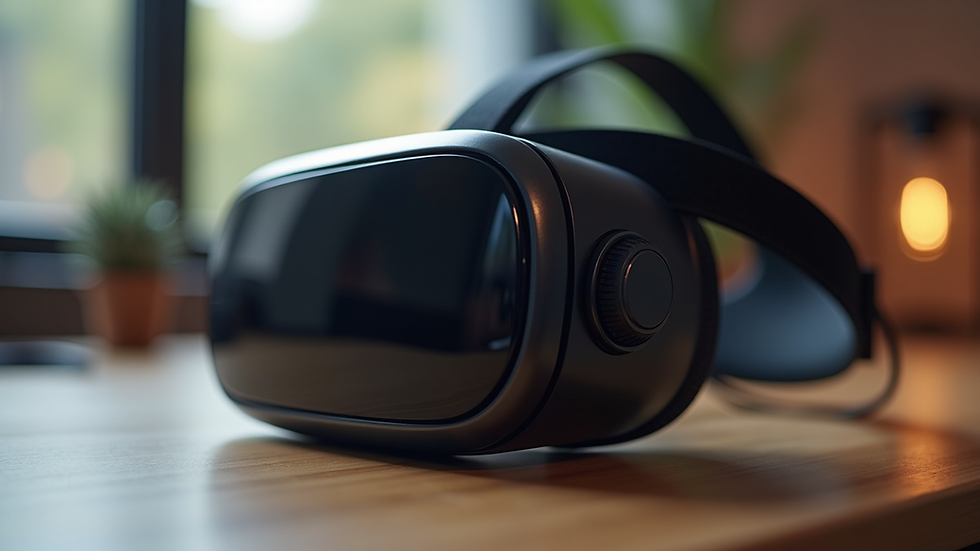
As technology continues to evolve, the landscape of immersive language learning is changing. Virtual reality (VR) and augmented reality (AR) are emerging as innovative tools for language acquisition. These technologies can simulate immersive environments, allowing learners to practice language skills in realistic scenarios without leaving their homes.
Conclusion
Immersive programs offer a transformative approach to language mastery, providing learners with the tools and experiences necessary to achieve fluency. By engaging with the language in real-world contexts, participants can develop strong communication skills and cultural understanding. Whether through study abroad, language exchange, or immersion schools, the journey to language mastery is within reach. Embrace the challenge, and let immersive learning pave the way to your linguistic success.
By taking the plunge into an immersive program, you are not just learning a language; you are opening doors to new cultures, friendships, and opportunities. Start your journey today and discover the world through the lens of a new language.

Comments