
Why Immersive Learning Transforms Language Acquisition
- Alice Ding

- Feb 18
- 3 min read
Language acquisition is a complex process that involves not just memorizing vocabulary and grammar rules, but also understanding cultural nuances and context. Traditional methods of language learning often fall short in providing the immersive experience necessary for true fluency. This is where immersive learning comes into play, transforming the way we acquire new languages.
Understanding Immersive Learning
Immersive learning is an educational approach that engages learners in a way that mimics real-life experiences. This method often utilizes technology, such as virtual reality (VR) or augmented reality (AR), to create environments where learners can practice language skills in context.
Key Features of Immersive Learning
Realistic Environments: Learners interact with simulated scenarios that reflect real-world situations.
Active Participation: Instead of passive learning, students are actively involved in their education.
Cultural Context: Immersive learning often incorporates cultural elements, enhancing understanding and retention.
The Science Behind Immersive Learning
Research shows that immersive learning can significantly enhance language acquisition. A study published in the Journal of Educational Psychology found that students who engaged in immersive learning environments scored higher on language proficiency tests compared to those who used traditional methods.
Cognitive Benefits
Enhanced Memory Retention: Immersive experiences create strong associations in the brain, making it easier to recall vocabulary and phrases.
Increased Engagement: Learners are more likely to stay focused and motivated when they are actively participating in their learning process.
Practical Applications of Immersive Learning
Virtual Reality Language Classes
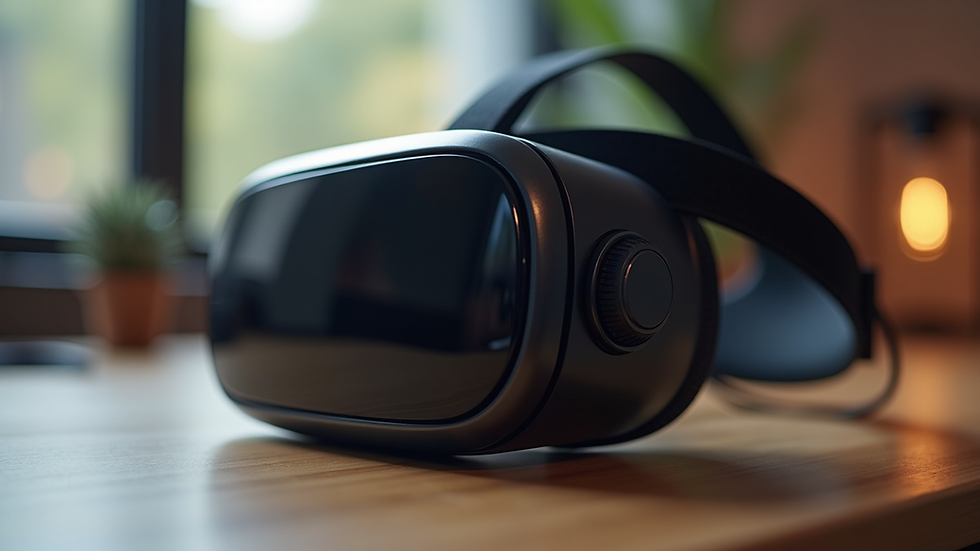
Imagine stepping into a virtual café in Paris, ordering a coffee in French, and engaging in conversation with a native speaker. This is the essence of VR language classes. Programs like ImmerseMe offer learners the chance to practice their skills in realistic settings, providing immediate feedback and support.
Augmented Reality Language Apps
Apps like Duolingo and Mondly are beginning to incorporate AR features that allow users to interact with their surroundings in a new language. For example, pointing a smartphone at an object can trigger translations and pronunciation guides, making learning more interactive and contextual.
The Role of Gamification in Immersive Learning
Gamification is another powerful tool in immersive learning. By incorporating game-like elements, educators can make language acquisition more enjoyable and effective.
Benefits of Gamification
Motivation: Learners are more likely to engage with content that feels like a game.
Immediate Feedback: Gamified systems often provide instant feedback, allowing learners to correct mistakes in real-time.
Challenges of Immersive Learning
While immersive learning offers numerous benefits, it is not without its challenges.
Accessibility Issues
Not all learners have access to the technology required for immersive experiences. Schools and institutions must consider how to provide equitable access to these resources.
Learning Curve
Some learners may find the technology intimidating or difficult to navigate. Educators must provide adequate support and training to ensure all students can benefit from immersive learning.
Success Stories
Case Study: Language Schools
Several language schools have begun to integrate immersive learning into their curricula with remarkable success. For instance, EF Education First has implemented VR experiences in their programs, resulting in higher student satisfaction and improved language skills.
Individual Success
Many learners have reported significant improvements in their language abilities after participating in immersive learning experiences. One student, Maria, shared her story of how a VR language program helped her gain confidence in speaking Spanish, leading to a successful trip to Spain where she conversed fluently with locals.
Future Trends in Immersive Learning
As technology continues to evolve, so will the possibilities for immersive learning.
AI Integration
Artificial intelligence (AI) is set to play a significant role in the future of language acquisition. AI-driven platforms can provide personalized learning experiences, adapting to each learner's pace and style.
Collaborative Learning
Future immersive learning environments may also focus on collaboration, allowing learners to interact with peers from around the world. This could enhance cultural exchange and provide authentic language practice.
Conclusion
Immersive learning is revolutionizing the way we approach language acquisition. By creating engaging, realistic environments, learners can develop their skills more effectively than ever before. As technology advances, the potential for immersive learning will only grow, making it an essential tool for anyone looking to master a new language.
The next step for educators and learners alike is to embrace these innovative methods and explore the exciting possibilities they offer. Whether through VR, AR, or gamified experiences, the future of language learning is immersive, interactive, and incredibly promising.


Comments